
Why Professional Portrait Photography Matters in the Digital Age
- oksanakemp
- Apr 21, 2025
- 7 min read
Updated: Jan 28
Whether you’re building a business, growing a personal brand, or preparing for a new job or career transition, the first impression you make today is often visual — and increasingly digital. Before a résumé is read or a conversation begins, your portrait is already working on your behalf across LinkedIn, company websites, press features, and professional platforms. In this landscape, professional portrait photography is no longer optional — it’s a powerful tool for clarity, credibility, and connection.
Professional Portraits for Job Searches and Career Transitions
For professionals navigating a career shift, entering a new industry, or actively searching for a new role, an updated portrait can quietly shape how opportunities unfold. A thoughtful, professional image communicates confidence, approachability, and readiness — often before a résumé is even reviewed.
A strong portrait helps align how you present yourself with where you’re headed, not just where you’ve been. Whether used on LinkedIn, a personal website, or networking platforms, professional photography supports your story during moments of change — reinforcing intention, self-assurance, and momentum at a pivotal time.
Professional portraits are more than just pictures of your face — they communicate credibility, authenticity, and intentionality. A well-crafted headshot doesn’t just look good; it helps you stand out, build trust, and connect with the audiences you care about.
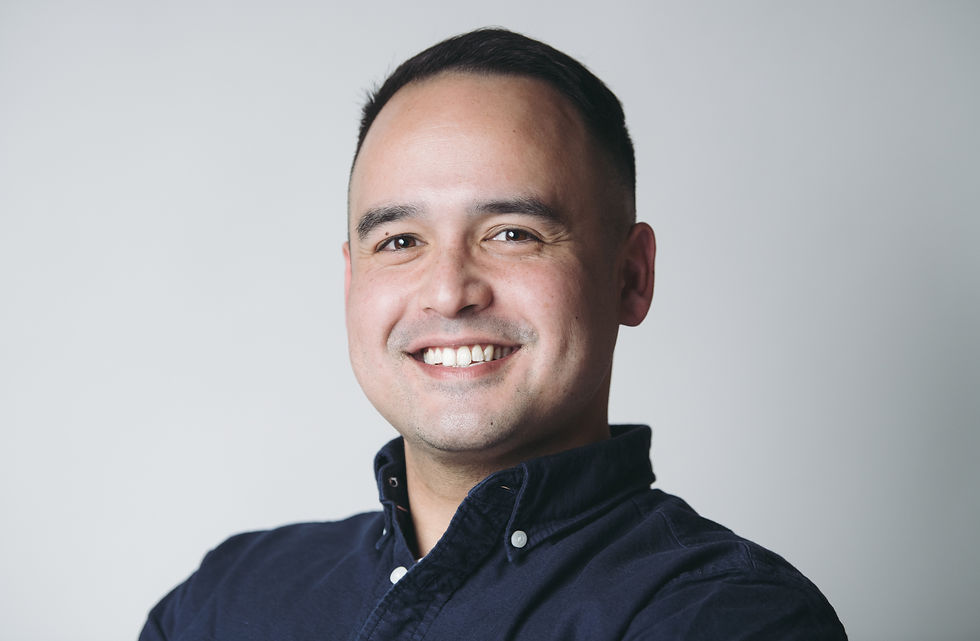
Why Professional Portrait Photography Still Matters
Quality That Reflects You
A professional photographer brings more than a high-quality camera — they bring training, experience, and an attention to detail that is immediately visible. In today’s visual landscape, it’s often clear whether an image was taken quickly on a phone or thoughtfully created through a professional portrait session. The difference shows in the lighting, composition, expression, and overall polish.
A professionally made portrait photography communicates that you take yourself — and your work — seriously. It signals care, preparation, and a commitment to doing things right rather than cutting corners. While casual images have their place, professional portraits are designed with purpose, ensuring your image aligns with the level of professionalism you want to project.
First Impressions Count
In the digital age, first impressions are often made within milliseconds. Whether visitors land on your LinkedIn profile, your website about page, or your social media profile, a strong portrait can send a powerful message of confidence, professionalism, and approachability.
Building Your Personal Brand
A consistent set of high-quality portraits enhances your personal brand across platforms. They make your image recognizable and trustworthy — and help convey who you are before someone ever meets you.
Trust and Credibility
Professionally made portraits signal to clients, employers, and collaborators that you care about how you show up. That attention to quality builds trust, which is essential in competitive industries.
I've worked with numerous clients who needed headshots for various purposes — from LinkedIn profiles and speaking engagements to political campaigns and SiriusXM host shots. Each one sought a headshot that felt authentic, not stiff or generic. That’s the goal: capturing you on your best day in the most natural way possible.

What to Expect from a Professional Portrait Photography Session
Your portrait session should feel intentional, supportive, and collaborative. A professional photographer doesn’t just click a button — they guide you through the process so your final images feel like you.
Here’s what typically happens during a portrait photography session:
Planning & Vision
Before the shoot, a thoughtful conversation helps clarify your goals — who you want to present yourself as and where these portraits will be used. This stage ensures the session is tailored to you, not generic or rushed. It also helps me to figure out wheat equipment I would need to bring to the shoot and what color backdrop would be best suited for maximum impact.
Wardrobe & Styling Guidance
Professional photographers often offer wardrobe recommendations and styling guidance so your clothing supports your brand and photographs well. Coordinating colors, avoiding busy patterns, and choosing thoughtful layers all help create images that feel cohesive and intentional.
Hair and makeup are also an important part of the conversation. These details are discussed in advance of the shoot to ensure everything aligns with the look and level of polish you’re aiming for. During the session itself, I remain attentive to small adjustments — suggesting a bit more color in the cheeks, a slightly deeper lipstick, or subtle refinements that translate better on camera. These real-time tweaks make a noticeable difference in how confident, balanced, and finished the final images feel.
Professional portrait photography is about more than capturing a moment — it’s about shaping the details that elevate an image from good to exceptional.
On many occasions I have personally gone through the final selection of outfits and advised clients on what would look best with their skin tone and how it would translate into the image they are trying to portray.
Choosing the Right Setting
Whether it’s a studio, an outdoor location, or your own workspace, the environment plays a significant role in how a portrait feels. I plan each session in advance, carefully considering where we’ll shoot and ensuring the appropriate backdrops and tools are packed so nothing feels improvised or rushed. This preparation allows the session itself to unfold smoothly and with intention.
Through personal experience, I’ve found that many clients feel most relaxed and at ease in their own spaces — and that comfort shows clearly in the final images. I often photograph portraits in living rooms, home offices, or other familiar environments where people naturally settle into themselves. These spaces tend to encourage ease, authenticity, and expression, especially for those who feel camera-shy.
Traditional photo studios, while useful in certain cases, can sometimes introduce unnecessary tension for clients who are already nervous in front of the camera. By bringing the session into a familiar setting, the experience becomes more conversational and grounded — allowing genuine moments to surface and resulting in portraits that feel confident, natural, and true to the person being photographed.
Lighting & Composition
Professionals know how to manipulate light and composition to highlight your best features and create depth and dimension in the image. Whether through soft natural light or controlled studio lighting, good lighting shapes the mood and impact of the portrait.
Making You Comfortable
Not everyone feels natural in front of the camera — and that’s more common than most people realize. Many of my clients begin a session feeling unsure, self-conscious, or convinced they are “not photogenic.” That’s okay. My approach is designed specifically with those feelings in mind.
From the moment we begin, the focus is not on posing or perfection, but on creating a comfortable, collaborative environment. I guide gently, adjusting posture, movement, and expression in ways that feel natural rather than forced. Conversation plays an important role, helping people settle into themselves before the camera ever becomes the focus.
Over time, I’ve learned that when clients feel seen and supported, something shifts. Tension softens, expressions become more honest, and moments unfold organically. It’s often in those in-between moments that the strongest images appear.
More often than not, the response during image review is the same: “Wow — that actually looks like me.”That recognition is the goal. Not a version of someone that feels overly styled or unfamiliar, but a portrait that reflects confidence, presence, and authenticity. When people recognize themselves in their images, it shows — and the photographs carry that sense of ease and truth forward wherever they’re used.
Practical Tips for Portrait Photographers (and What Clients Should Look For)
If you’re a photographer reading this, or a client wanting to understand what makes a session exceptional, here are some staging principles that improve portraits — and how I apply them in my work:
Prepare the Space
Whether indoors or outdoors, scan for backdrops that feel clean and uncluttered. A simple setting keeps the focus on the subject, not distractions. If no backdrop is available, a neutral color wall does an excellent job.
Outdoor shoots often benefit from leading lines or open spaces that add visual interest without overwhelming the frame.
Plan for Pose Variety
Guide the subject through a mix of relaxed and engaged poses — subtle shifts in shoulders, gentle leaning, and comfortable stance changes all contribute to a natural, dynamic set of images.
Try not to stay silent. Engage client in a dialogue. Chat, laugh, encourage them! Nothing worse than a silent photographer as it makes clients fearful that the photos looks horrible. And whatever the client thinks ends up showing on their faces.
Watch the Details
Quick adjustments — like smoothing collars, shifting hair off the face, or softening brights in reflection — make a big difference in the final results. These are the small things that separate a snapshot from a portrait that feels polished.
And trust me - thinking "I will fix this in Photoshop later," sometimes ends up eating hours and hours of editing time (those who have edited out of place hair one strand at a time would understand).
Use Light Intentionally
Whether you’re using natural light, a reflector, or studio strobes, lighting should serve the emotion of the image. Directional light can sculpt the face and add dimension, while softer light feels more approachable and warm.
Use the light to tell a story. Even a single strobe can create some amazing portraits.
When to Update Your Headshot or Portrait
If it’s been a few years since your last professional image, or if your role, industry, or personal brand has evolved, now might be the time for an updated portrait. A fresh headshot signals relevance, confidence, and intentionality — attributes that are increasingly valued in the digital landscape.

Final Thoughts
In a world dominated by digital interactions, professional portrait photography remains one of the most impactful investments you can make in your personal or professional image. Whether you’re using portraits for branding, networking, social profiles, or printed materials, high-quality images help you be seen — and remembered — in the way you want and deserve.
Ready to Tell Your Story?
If you’re thinking about updating your portraits or want to explore a session that truly reflects who you are, I’d love to talk. Explore my Services and browse the Portfolio — and when you’re ready, let’s create something intentional together.


Comments