
Why AI Will Never Replace Professional Portrait Photography
- oksanakemp
- Jan 29
- 5 min read
AI-Generated Portrait Photography Is Everywhere — But It’s Not the Same as a Real Portrait Photography
AI-generated portrait photography is everywhere right now. The gimmick is simple: upload a few phone photos, tap a button, and instantly receive an image that looks polished, professional, and even studio-lit.
For many people, it raises a reasonable question: why hire a portrait photographer at all?
It’s a fair question — and one worth examining. But the short answer is this: AI can imitate a look, but it could never replace a real portrait.
What AI Headshot Apps Actually Do Well
Let’s be clear — AI tools are impressive. They can:
Smooth skin
Add dramatic lighting
Place you in a clean, corporate-looking environment
Mimic popular headshot styles
Fix technical flaws from phone photos
For quick, low-stakes use cases, AI headshots can be fine. They’re fast, inexpensive, and visually familiar.
But that’s also where their limitations begin.
We’ve Seen This Before: The Facetune Effect

This isn’t the first time technology has promised a shortcut to a “better” version of ourselves.
Photo-editing apps like Facetune became popular years ago, especially among celebrities and influencers. At first, the results looked polished and aspirational. Over time, however, the effect became obvious — and often distracting. Faces were smoothed beyond recognition, proportions subtly altered, and expressions flattened into something unreal. The internet eventually caught on, and what once felt impressive became something people openly questioned or even laughed at.
The issue wasn’t that editing existed. It was that the images stopped resembling real people.
AI-generated portrait photography risk falling into the same trap. While they can produce technically clean and visually striking images, they often create a version of someone that feels more like an idealized approximation than a truthful representation. When an image starts to look noticeably different from how a person appears in real life, trust erodes.
Professional portrait photography avoids this problem by grounding the image in reality. The goal isn’t to create a perfect version of someone — it’s to create an honest, flattering, and recognizable one. One that holds up not just on screen, but in real-world interactions.
The Missing Ingredient: Presence
A professional portrait is not just about how you look — it’s about how you come across.
AI works by averaging, predicting, and generating what it thinks you should look like. It doesn’t know:
How you hold yourself when you’re confident
What makes your expression soften or sharpen
How your posture changes when you feel at ease
Which side of your personality you want to lead with
A real photographer reads all of that in real time.
This is why people often look at AI-generated headshots and say: “It looks good… but it doesn’t quite feel like me.”
Authenticity Can’t Be Generated
While AI headshot tools have become impressively good at producing polished images, they still struggle with the one thing that truly matters in a portrait: authenticity.
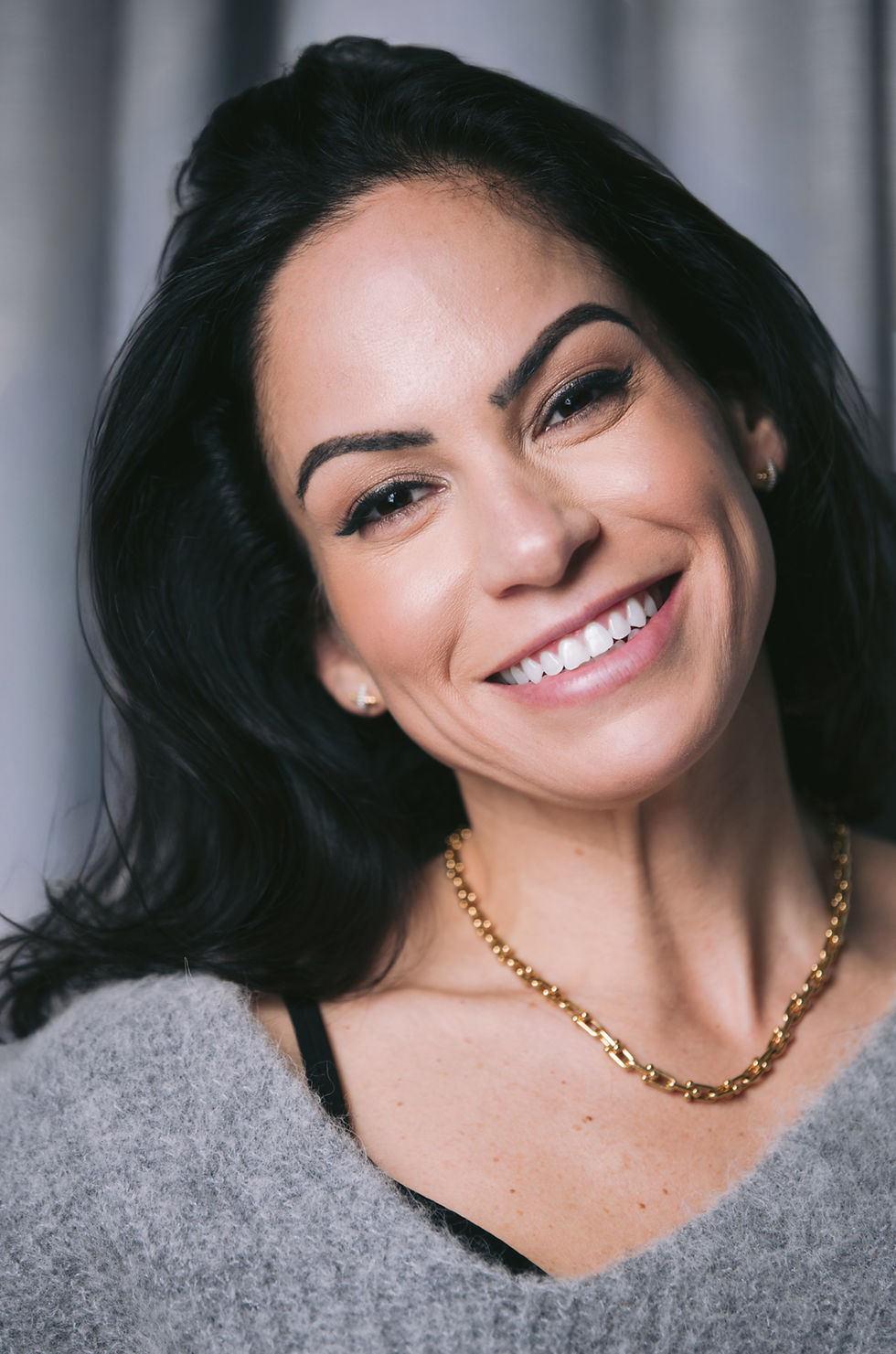
Many photographers and industry voices have written about this same limitation. Again and again, the conclusion is similar — AI can replicate a style, but it can’t replicate a person. These tools work by analyzing patterns and averages across thousands of faces, then generating an image based on probability. What they don’t understand is you.
They don’t see how your posture shifts when you relax, how your expression changes when you’re genuinely engaged in conversation, or how confidence shows up differently for each individual. They don’t respond to your energy, your hesitation, or your personality in real time. As a result, AI-generated portraits often look technically impressive but subtly unfamiliar — a version of you that feels slightly generic or emotionally disconnected.
This is why people often describe AI headshots as “almost right.” They may look professional at first glance, but something feels off. The image lacks the nuance that comes from human interaction — the small moments between frames, the micro-expressions, the natural pauses that create a sense of presence.
Professional portrait photography, on the other hand, is a collaborative process. It’s shaped through conversation, trust, and observation. A photographer adjusts not only lighting and angles, but also pacing, tone, and direction based on how a person is feeling in the moment. That human awareness is what allows a portrait to feel grounded, believable, and true.
There’s also a growing conversation around credibility. In professional environments — LinkedIn profiles, personal websites, press features — people are becoming increasingly sensitive to images that feel overly processed or artificial. As AI imagery becomes more common, authenticity becomes more valuable, not less. A real portrait communicates care, intention, and professionalism in a way that shortcuts rarely do.
In short, AI can generate a visually convincing image. But authenticity isn’t something that can be synthesized. It’s built through human connection, experience, and trust — and that’s what makes a portrait feel real.
Why Professional Portraits Still Matter (Especially Now)
In a world saturated with AI imagery - realness stands out.
People can increasingly tell when an image looks and feels overly perfected or artificial. And in professional contexts — LinkedIn, personal branding, press, job searches — credibility matters.
A thoughtfully created portrait signals that you:
Take yourself and your work seriously
Value quality over shortcuts
Invest in doing things the right way
Are confident enough to show up as you are
The Experience Matters as Much as the Image
One thing AI can never offer is the experience of being seen.
A professional portrait session includes:
Planning and intention
Guidance with wardrobe, hair, and makeup
Direction that helps even camera-shy people relax
Real-time feedback and adjustment
A sense of collaboration rather than extraction
Many clients walk into sessions nervous — and leave saying:
“I didn’t know I could look like that.”
“That actually feels like me.”
“I finally have photos I’m proud to use.”
That transformation doesn’t come from software. It comes from human connection.
AI vs. Professional Photography: The Long-Term View
AI-generated images tend to age quickly. Styles change, algorithms shift, and what looks impressive today often feels dated tomorrow.
Professional portraits are built to last because they’re grounded in:
Real light
Real expression
Real intention
Timeless composition
They aren’t chasing trends — they’re documenting people.
Where AI Does Belong
AI isn’t the enemy. It’s a tool. For many photographers adding AI to their post proiduction flow has made a huge difference.
It can:
Support retouching workflows
Speed up editing processes
Help with background cleanup
Assist with image organization
But it works best in service of photography, not as a replacement for it.
Final Thoughts
AI can generate an image that looks like a headshot. But a photographer creates a portrait that feels like you.
That difference matters — especially when your image represents your career, your brand, or your next opportunity.
In the end, portrait photography isn’t about perfection. Its about presence, time and recognition.
And those are things can only be created and achieved by humans.


Comments